Most citizens worldwide want the dark net to be shut down, as questions over the importance of privacy versus safety mount.
71 percent of citizens globally believe that the dark net should be shut down, according to a survey by Ipsos and the Centre for International Governance Innovation (CIGI).
The 29 percent who did not want it shut down wished to preserve the anonymity and lack of censorship that the dark net provides, according to CIGI.
The desire to preserve an anonymous and uncensored space relates to people’s fears about how their internet access is being controlled.
54 percent of citizens believe that their activities on the internet are being censored. Additionally, 62 percent believe that their activities are being monitored.
Government rhetoric was broadly trusted by the respondents of the survey, however. 59 percent and 58 percent said that government assurances that they were not being censored or monitored respectively would make them trust the internet more.
Buried under layers of encryption, the dark net is only accessible via dedicated browsers such as Tor.
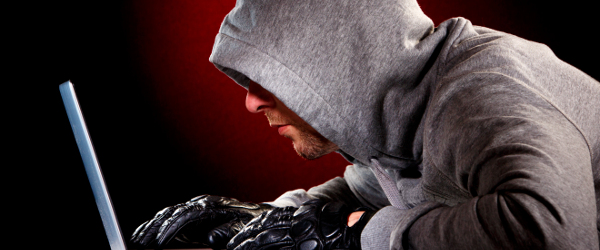
It is known for being used by criminals to sell illegal services and items, including weapons, drugs or child abuse imagery. It has even been rumoured that uranium or assassin services can be bought.
For example, the dark net website Silk Road was an anonymous black market best known as a platform for selling illegal drugs.
However, CIGI adds that it is also used by journalists, human rights activists, dissidents and whistleblowers who "use these services to rally against repression, exercise their fundamental rights to free expression and shed light upon corruption."
The survey polled 1000 people in each of 24 countries across every inhabited continent between November and December 2015.