The second coming of the Icelandic ash cloud is a reminder that "business as usual" is not as predictable a phenomenon as you might think. In fact, disruption is becoming a familiar foe for organisations that depend on people getting from A to B.
A quick look back to recent years suggests that disturbances to working patterns are surprisingly common and caused by some common themes.
Power and connectivity issues, road defects like we witnessed on the M1 of April this year and industrial action all represent realistic issues which can have a negative impact on business.
We are also witnessing more protests and political acts in recent years which can result in disturbances to our routine. Finally, even fairly mundane issues like the weather or general office mishaps can throw a spanner in the works of our ordinarily stable schedules.
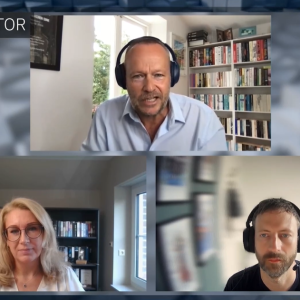
Of course, technology is no panacea but organisations that use conferencing and remote access systems so that staff can be productive even in the event of a major disturbance clearly stand to gain. Making these tools available to staff allows firms to have a flexible way to collaborate and remove time-consuming in-person meetings from busy agendas, as well as being prepared for every eventuality.
The result will be happier staff but also a resilient fabric for operations with a built-in failover plan that kicks in when problems occur.
Daniel Weisbeck, Vice President, Marketing EMEA at Polycom