Sky has launched a virtual reality (VR) production unit as it steps up its effort to produce more VR content.
The Sky VR Studio is releasing two VR experiences shot during the recent Formula 1 testing in Barcelona, Spain.
Initially, Sky will make the two VR experiences available for consumers to watch on the Facebook 360 Video platform and the Oculus platform.
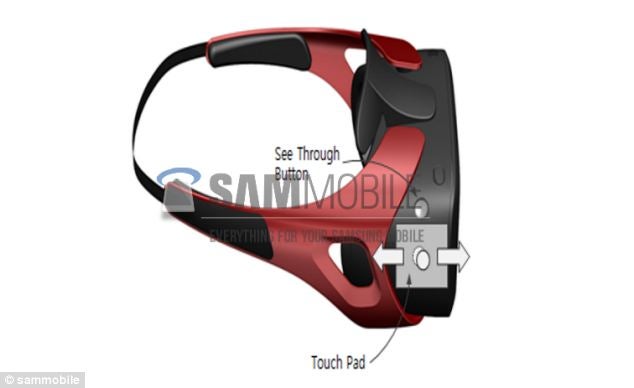
Users will also be able to see the content using both the Samsung Gear VR and Oculus Rift headsets.
The company will also launch a dedicated Sky VR app, with the goal to reach maximum number of people.
The initial VR experiences were made in partnership with Formula One Management and Williams Martini Racing.
The Sky VR Studio will also produce exclusive VR content exploring Anthony Joshua’s heavyweight boxing bid for the world title and Team Sky’s progress towards the Tour de France.
The unit’s team will be led by executive producer Neil Graham, and includes VR director Richard Nockles, who has directed Sky VR Studio’s F1 film, and is involved in a range of VR projects for several global brands.
Sky has committed to produce over 20 individual films across sports, movies, news and entertainment genres in 2016.
Sky managing director of content Gary Davey said: "The Sky VR Studio allows us to add a new dimension to storytelling, taking viewers to extraordinary places and offering a unique perspective on a whole host of events.
"The development of VR technology is moving at an incredible pace and excitement is building about its potential. Our expertise across a wide range of video content, from original drama to live sport, gives us a unique ability to bring VR to life for customers."
The company is planning to create more VR content and explore the possibilities with its tech and content partners.
Sky acquired cinematic virtual reality firm Jaunt in 2013 and has been undertaking VR testing for the last two years at several events to see how best to use 360-degree video cameras.
The VR industry is set for an uptake in 2016, as almost all tech giants enter the game, from Samsung, to Facebook, HTC, Microsoft and Google.
The VR market is set to be worth $70bn by 2020 propelled by consumers’ increasing interest in new audiovisual experiences.
Researchers predict VR hardware will account for $20bn while software will reach $50bn.
According to TrendForce, the industry will reach $6.7bn this year, up from $2.3bn in 2015, with 14 million devices shipped.
By 2020, the company anticipates a growth of 40% in the number of shipments to 38 million headsets.