
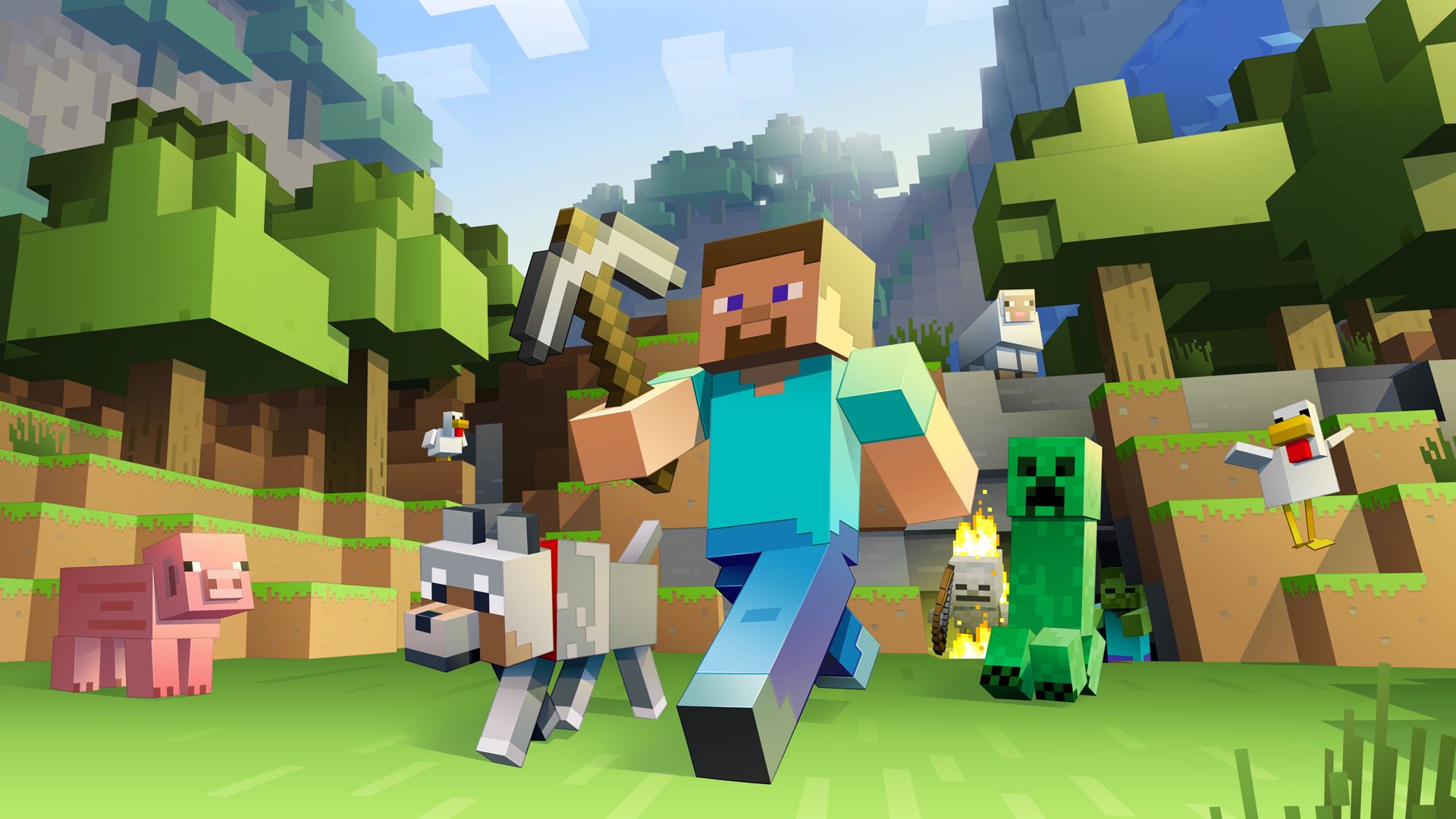
Microsoft is now using Minecraft, a game developed by Majong, the company that it bought in 2014 for $2.5bbn, to teach its AI to learn how to interact within a virtual environment.
These interactions can include climbing up a hill and knowing the difference between light and dark.
The research project uses the AIX platform to accomplish this task. This new platform was developed by Microsoft at its Cambridge, UK lab.
According to the company, this process itself involves a lot of trial and error because a machine, or in this case a software, will have to understand its surroundings.
Microsoft New York lab senior researcher, Fernando Diaz said: "We’re trying to programme it to learn, as opposed to programming it to accomplish specific tasks."
Microsoft says that Minecraft is an ideal game to teach artificial intelligence because it is unlike other games where tasks are set for a user.
It can be used to do simple things such as walking around and exploring the landscape for treasure, to some very complex tasks such as building something huge with other users.
The company believes that there is huge scope for AI to learn in this environment.
Microsoft AIX developer Katja Hofmann said: "Minecraft is the perfect platform for this kind of research because it’s this very open world."
"You can do survival mode, you can do ‘build battles’ with your friends, you can do courses, you can implement our own games.
"This is really exciting for artificial intelligence because it allows us to create games that stretch beyond current abilities."
At this moment, programmers have been able to make AI do some complex tasks, but have not been able to make them do some simple tasks that we, humans take generally for granted.
Microsoft Research principal researcher Robert Schapire said: "The things that seem really easy for us are actually the things that are really difficult for an artificial intelligence."
Apart from this, the research team also believes that teaching artificial intelligence in a virtual world will be easier and less expensive.
This is due to the fact that making a robot and trying to teach him how to climb a hill can be a costly affair, and if it falls down and it could be impractical to build another just for testing.